Beyond Nostalgia: the Proven Developmental Benefits Behind Paper Fortune Tellers
 By Chloe Bennett
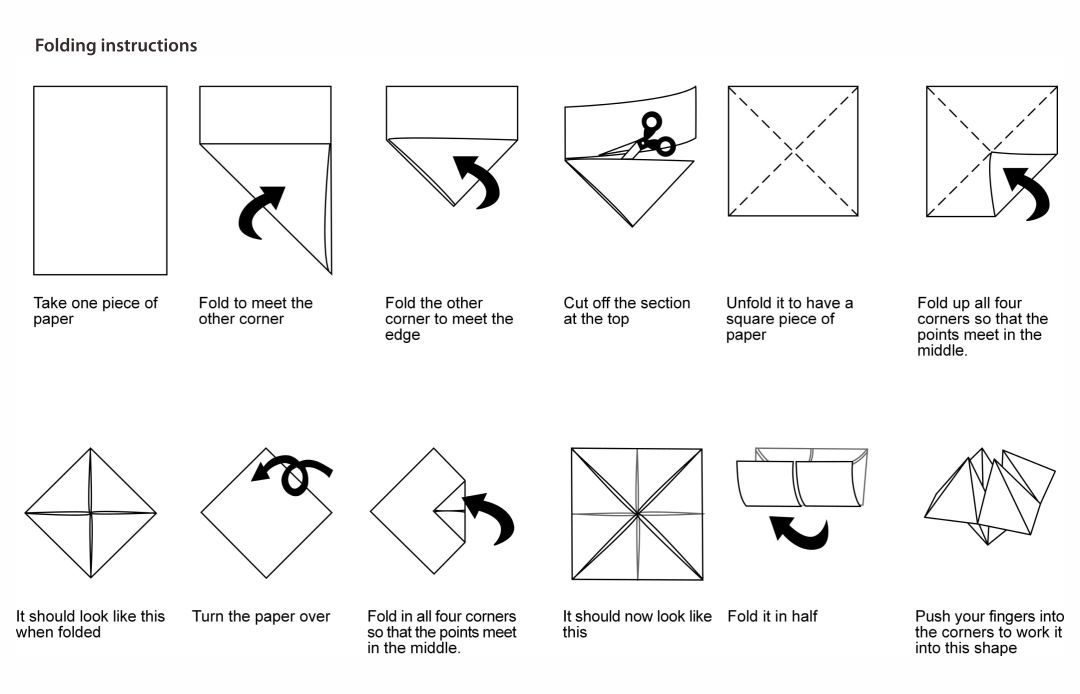
As school districts navigate the side effects of prolonged digital instruction, occupational therapists are re-evaluating classroom staples. Early childhood programs report an uptick in children who enter school lacking basic hand strength. Tapping and swiping on glass screens targets only isolated index fingers, leaving intrinsic hand musculature, the thenar and hypothenar muscles essential for wielding pencils and scissors, underdeveloped.
Nostalgic playground games offer a low-cost, high-yield remedy. A standard piece of copy paper requires roughly 5 to 10 Newtons of localized pinch force to yield a flattened crease. Multiplying that exertion across twelve intricate folds delivers a focused hand workout disguised as play.
Classroom teachers are taking notice, embedding fortune tellers into history drills, math facts, and emotional regulation exercises. Children fold "calm-down catchers" loaded with mindfulness prompts, or math devices that reveal multiplication products beneath numeric flaps. The tactile investment cements retention in ways passive digital flashcards struggle to match.
Chloe Bennett explores the intersection of pop culture, streaming entertainment, digital trends, and contemporary lifestyle. Her weekly commentary reaches thousands of culture enthusiasts.
