Beyond 'God': the Everyday Spanish Phrases with 'Dios' That Confuse English Speakers
 By Alexander Ross
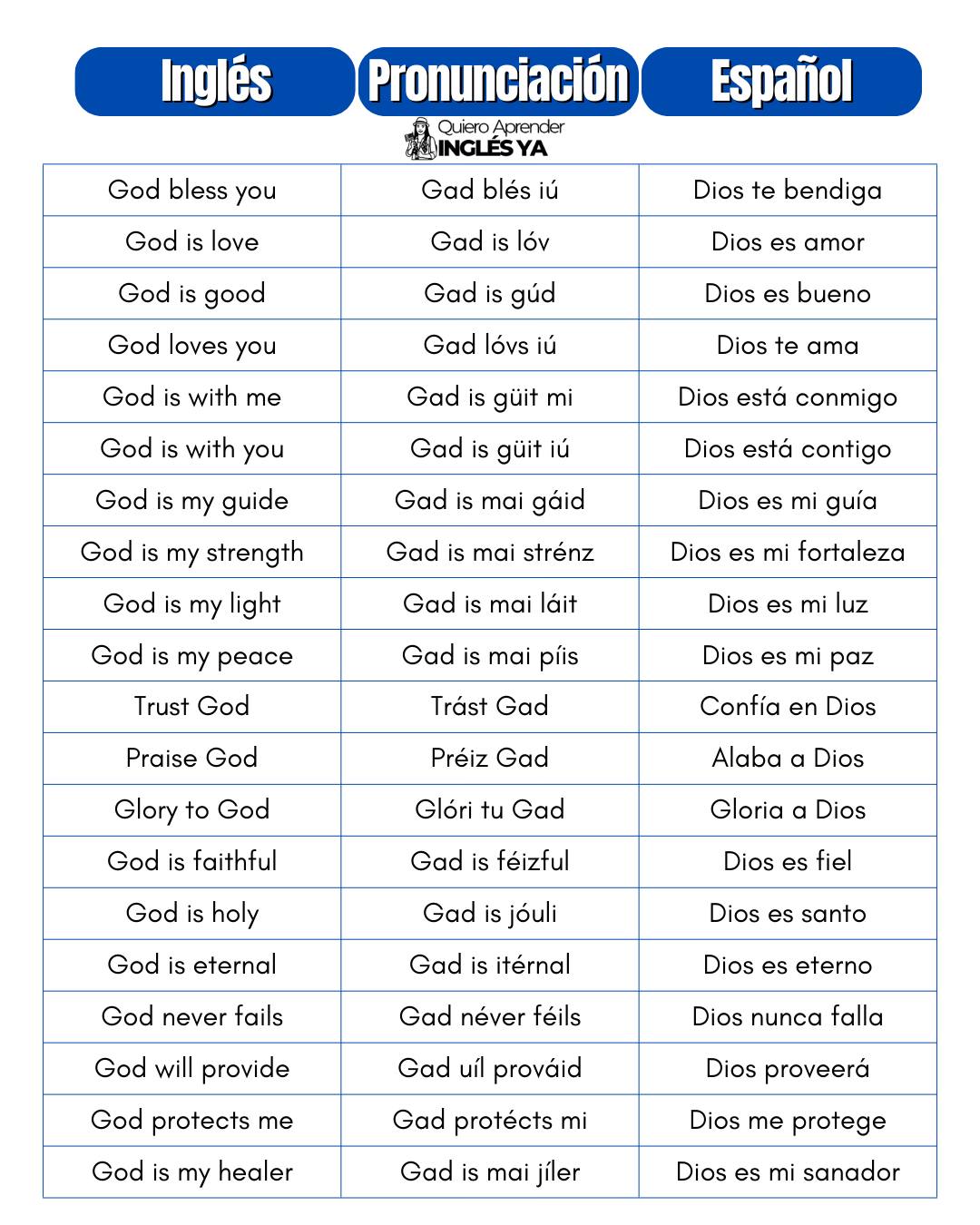
Direct translation creates immediate friction. When an English speaker hears "Oh my God," they recognize a wide spectrum running from genuine shock to valley-girl hyperbole. In Spanish, ¡Dios mío! covers similar ground, but the branches sprouting from that theological root run significantly deeper into routine etiquette.
Consider the everyday departure. The standard Spanish farewell adiós traces its historical roots to the contraction a Dios vos acomiendo ("I commend you to God"), an exact mirror of the English contraction "goodbye" (originally "God be with ye" in the late 16th century). English speakers severed that semantic link centuries ago, viewing "goodbye" as entirely neutral. Spanish speakers, meanwhile, maintained hundreds of active, transparent derivations where Dios remains explicitly visible, creating the illusion of heightened piety to foreign ears.
The gap widens during emotional peaks. A grandmother lamenting a broken plate with ¡Ay, Dios bendito! is rarely asking for sanctification. She is venting minor frustration. Translating that as "Oh, blessed God!" turns everyday kitchen irritation into an archaic prayer. English equivalents of Spanish idioms require choosing functional tone: "Good grief," "For heaven's sake," or a flat "Are you kidding me?"
Alexander Ross has covered the video game industry for a decade, writing deep dives on game design, esports tournaments, VR developments, and gaming culture.
