Artifacts of Cochise Stronghold: Tracing Ancient Tools, Rock Art, and Living Heritage
 By Sophia Al-Mansoor
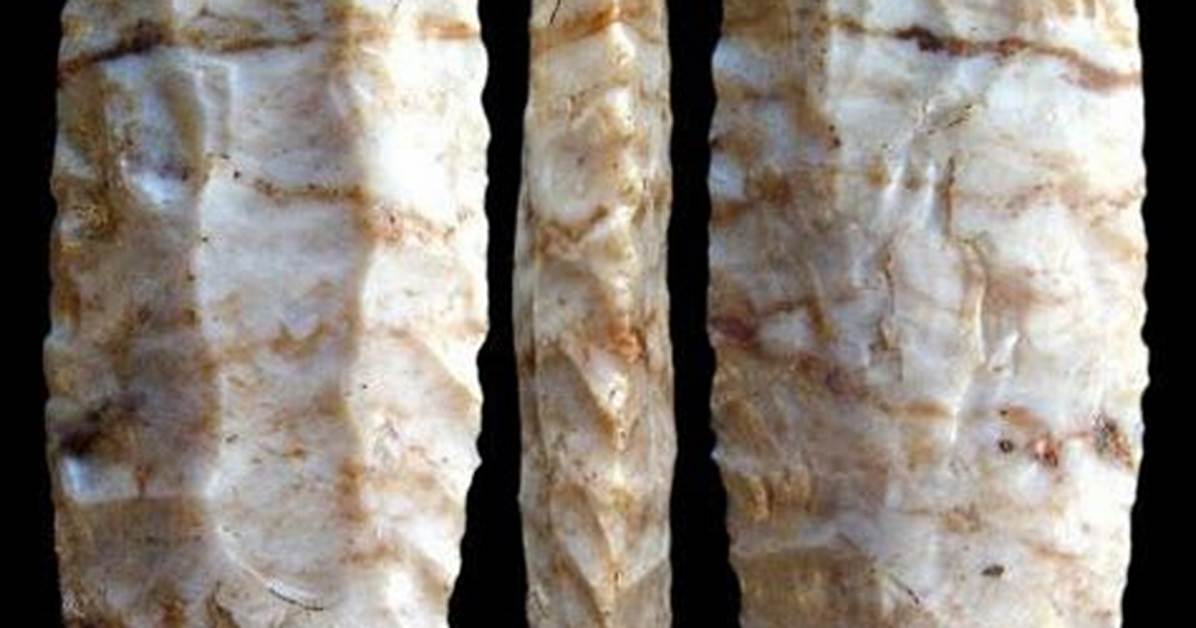
As outdoor recreation expands across public lands in the American Southwest, Cochise Stronghold faces mounting preservation pressures. The same cliffs that offered defensive protection to native groups attract rock climbers, bouldering enthusiasts, and off-trail hikers.
The Coronado National Forest manages the area, working alongside sovereign tribal governments, including the Mescalero Apache Tribe, the Fort Sill Apache Tribe, and the San Carlos Apache Tribe, to balance public access with cultural resource protection. Climbing organizations have joined this effort by establishing voluntary route closures around sensitive cultural features and sacred rock art panels.
Archaeological ethics have fundamentally shifted over recent decades. Artifacts, from broken obsidian flakes to complete metates, are no longer treated as souvenirs to be pocketed or cleared into private display cases. In federal jurisdictions, removing or disturbing archaeological material violates the Archaeological Resources Protection Act, carrying severe criminal penalties. More importantly, removing a flaked scraper or projectile point from its physical context destroys the stratigraphic data that allows researchers to date the site and interpret the behavior of the people who made it.
Sophia analyzes international trade, startup ecosystems, retail transformation, and supply chain logistics for modern digital publications.
