Are Grapes Berries? Sorting Botanical Science from Grocery Aisle Myth
 By Maya Lin-Takahashi
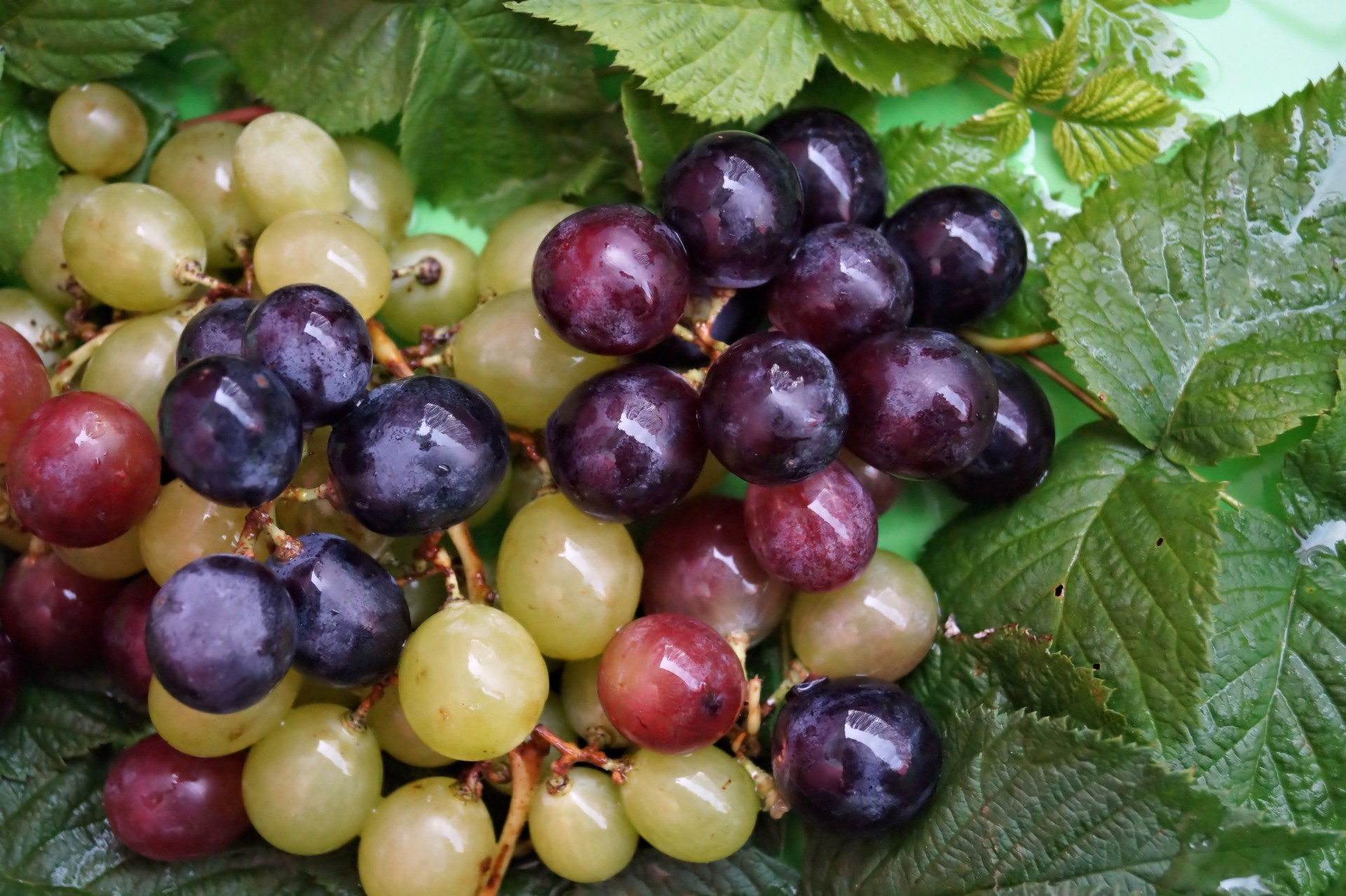
The contradiction between kitchen vocabulary and botanical science stems from historical naming conventions. In ordinary speech, people call almost any small, juicy, rounded fruit a berry. In plant morphology classification, however, fruit types are defined exclusively by their structural origins inside the flower.
A botanical berry definition requires three strict criteria. First, the fruit must develop from a single flower containing a single ovary. Second, the entire ovary wall must ripen into an edible, fleshy structure rather than a dry capsule or shell. Third, the fruit must not contain a lignified, stony core surrounding the seeds, which sets it apart from stone fruits like peaches or cherries.
Because of these criteria, the plant kingdom produces surprises that baffle laypeople. Watermelons, bananas, tomatoes, avocados, and eggplants meet the definition of botanical berries. Meanwhile, strawberries are aggregate accessory fruits, where the red fleshy mass is enlarged flower receptacle tissue and the true fruits are the tiny dry specks (achenes) embedded across the exterior surface.
Maya is a hardware enthusiast who tests and reviews smart home devices, smartphones, wearables, and audio gear. She focuses on practical consumer value and build quality.
