African Primate Research Timeline: from Remote Drc Sighting to Official Species Confirmation
 By James H. Sterling
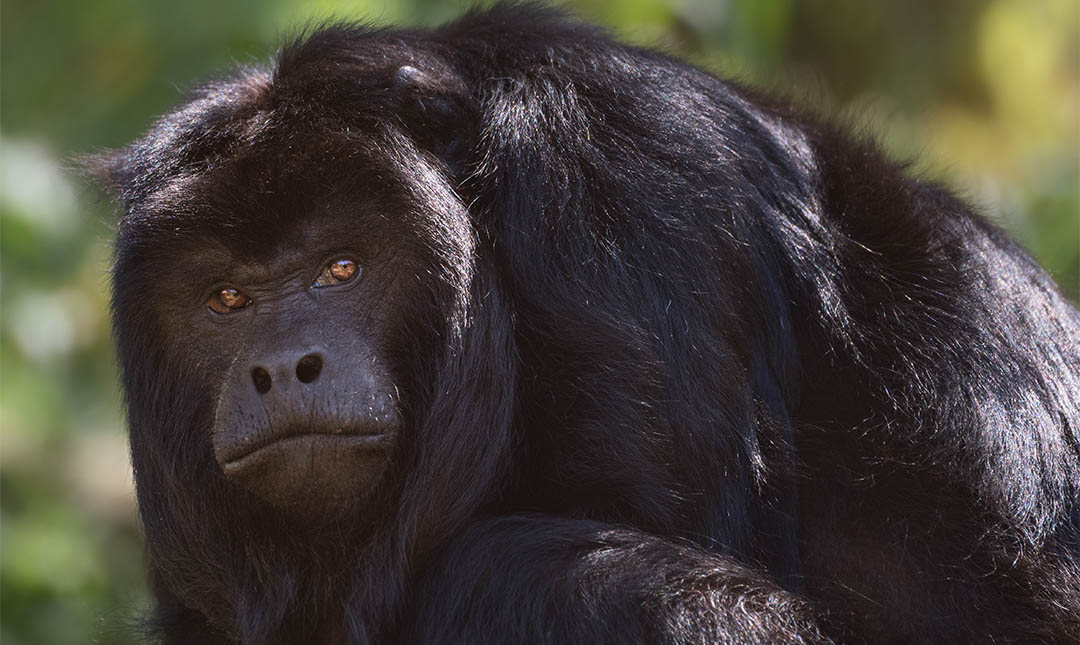
Proving the Likweli stood apart required precise biological specimens. Researchers avoided destructive sampling, relying instead on high-resolution telephoto imaging, dropped feeding debris, and fresh fecal material retrieved from the forest floor. By late 2024, mitochondrial and nuclear DNA sequencing conducted through Yale primate research laboratories established that the Likweli split from its closest sister taxa roughly 2.8 million years ago during the late Pliocene.
Morphologically, the Likweli displays adaptations tuned specifically to the inundated evergreen forests of the Congo Basin. Unlike typical black colobus varieties, adult Likweli exhibit pronounced cheek tufts and an elongated ischial callosity pattern adapted for resting on water-slick bark. Adults average between 11 and 14 kilograms, making them visibly larger than standard regional arboreal monkeys. Their dental ridges show heavy enamel wear consistent with an abrasive, seed-heavy diet rather than an exclusively folivorous leaf diet.
James Sterling reports on renewable energy developments, climate policy, ecological conservation, and green tech innovations around the globe.
